
Ezt a paradicsomot Vallatában (Appenninek déli része) Borsa di Montone néven ismerik, és termesztése az 1950-es évekig nyúlik vissza. Az első palántákat a háború utáni időszakban, Franciaországból származó magokból nevelték. Az 1940-es és 1950-es években a Valbisenzio-völgy néhány lakója Korzikára vándorolt fakitermelés céljából, és feltételezik, hogy ennek a kapcsolatnak köszönhetően kerülhetett a fajta a vidékre.
A paradicsom hamar elterjedt, mivel a gyümölcs kiváló íz- és minőségi tulajdonságait a helyiek nagyon kedvelték. 1984-ben a helyi mezőgazdasági szervezetnek köszönhetően a fajta még szélesebb körben ismertté vált: több ezer palántát adtak el, és a szezonban még érett termést is árusítottak. A ’90-es évek közepén azonban a kereskedelmi hibridek megjelenésével a termesztése fokozatosan visszaszorult, majd szinte teljesen eltűnt.
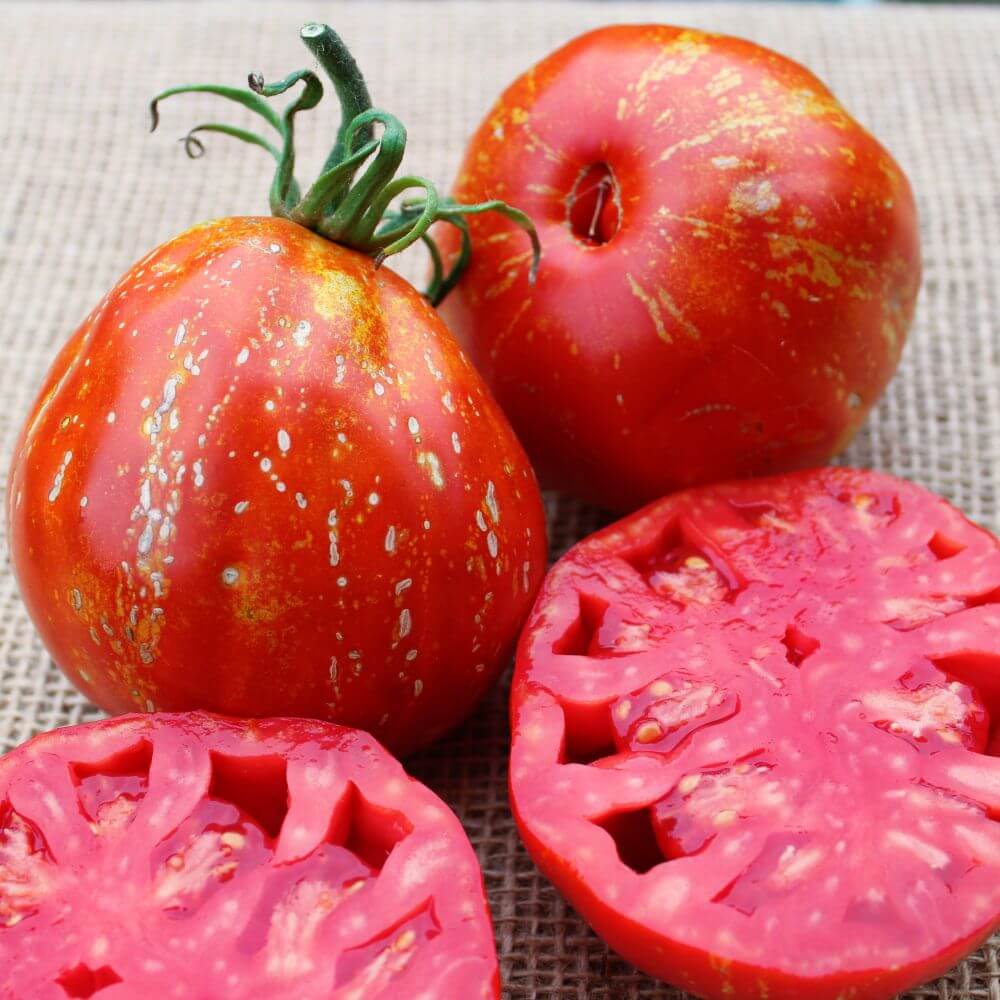
Alakja hasonlít a Canestrino fajtára, ami arra utal, hogy a Borsa di Montone egy ősi forma, a Canestrino elődje lehetett. A gyümölcs jellegzetes csíkozása azonban kevésbé tetszetős külsőt kölcsönöz neki, sokak szerint beteg vagy rozsdás paradicsomra emlékeztetett, ezért valószínűleg szelekcióval próbálták ezt a „hibát” kiküszöbölni. Emellett a rossz eltarthatóság – vagyis hogy a paradicsom nehezen tárolható romlás nélkül – termesztését többnyire néhány családi kertre korlátozta.
Miután a fajta már a kihalás szélére került, 2020-ban új lehetőség nyílt a fennmaradására: hivatalosan is azonosították, és felvették a mezőgazdasági és élelmiszeripari jelentőségű Nemzeti Biodiverzitási Nyilvántartásba.
Folytonos növekedésű, magas, 2 méter feletti fajta, középkései éréssel és nagy termésmennyiséggel.
A termései 100-200 grammosak, körte alakúak vagy fordított ökörszív. A csíkos külsö hosszanti parás csíkokkal és pöttyökkel társul, ami sajnos az eltarthatóságot negatívan befolyásolja, emiatt gyorsan fel kell dolgozni. Mivel a szárazanyag és a cukortartalma magas, kiváló sűrítményekhez.
This tomato is known in the Vallata area (southern Apennines) as Borsa di Montone, and its cultivation dates back to the 1950s. The first seedlings were grown in the post-war period from seeds originating in France. In the 1940s and 1950s, some inhabitants of the Valbisenzio Valley migrated to Corsica to work in the timber industry, and it is believed that this connection may have introduced the variety to the region.
The tomato quickly spread, as the locals greatly appreciated the fruit’s excellent flavor and quality characteristics. In 1984, thanks to the local agricultural organization, the variety became even more widely known: thousands of seedlings were sold, and ripe fruits were also marketed during the season. However, in the mid-1990s, the appearance of commercial hybrids led to a gradual decline in its cultivation, and it almost completely disappeared.
Its shape resembles that of the Canestrino variety, suggesting that Borsa di Montone might be an ancient form and possibly a predecessor of Canestrino. However, the fruit’s distinctive striping gives it a less appealing appearance — many thought it looked like a diseased or rusty tomato — so attempts were likely made to eliminate this “flaw” through selection. In addition, its poor shelf life — meaning that it spoils easily — limited its cultivation mainly to a few family gardens.
After the variety had reached the brink of extinction, a new opportunity for its survival arose in 2020: it was officially identified and included in the National Register of Agricultural and Food Biodiversity.
It is an indeterminate, tall variety that grows over 2 meters in height, with mid-late ripening and high yields.
The fruits weigh between 100 and 200 grams and are pear-shaped or resemble an inverted oxheart. Their striped exterior is accompanied by longitudinal corky streaks and speckles, which unfortunately reduce their storability, meaning they must be processed quickly. Due to their high dry matter and sugar content, they are excellent for making tomato concentrates.


Értékelések
Még nincsenek értékelések.